Popular Animals Illustration Vol 06: A Guide to Getting the Most from This Vibrant Collection
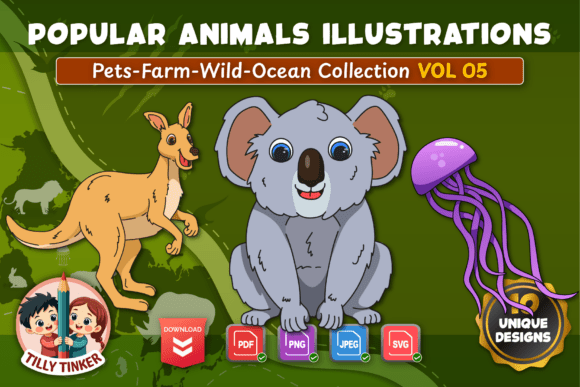
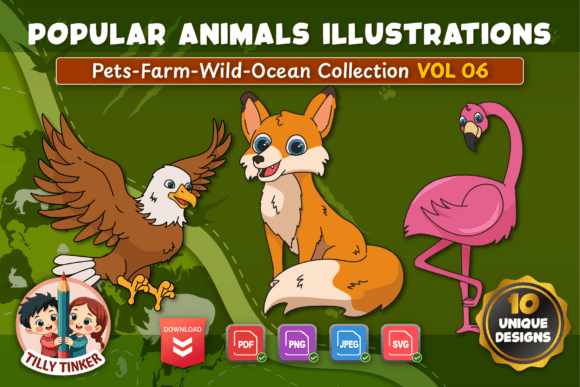
If you have come across Popular Animals Illustration Vol 06 — also listed as Popular Animals Colorful Illustrations – Vol 06 — you have likely noticed its bright, hand-drawn style featuring a fox, flamingo, elk, eel, eagle, duckling, duck, donkey, dolphin, and dog. The clean outlines, soft shading, and friendly cartoon details make it an obvious choice for educational materials, nursery decor, flashcards, and creative projects. But beyond the surface appeal, there are practical considerations that can determine whether this collection becomes a versatile resource or just another folder of unused files.
Many creators, educators, and small business owners jump into using illustration packs without checking a few critical details. The result can be wasted time, mismatched visuals, or products that fall short of expectations. This article covers the most common mistakes people make when choosing or using this type of illustration set — and how to avoid them so you get real value from the vibrant animal graphics.
Overlooking File Format and Resolution Requirements
One of the first oversights is assuming that all illustration files work the same way. The Popular Animals Illustration Vol 06 set includes PDF, PNG, JPG, and editable SVG files, all at 300 DPI and a square 8.5 × 8.5 inch size. That is excellent for print and screen use, but only if you actually match the format to your project.
For example, using a JPG for a sticker or a worksheet with a transparent background requirement will leave you with an unwanted white box. That is where the included PNG files with transparent backgrounds become essential. Similarly, if you plan to edit colors or resize elements, the SVG format gives you that flexibility. Learners and hobbyists often grab the first file they see, then struggle later when the image does not fit their layout.
Better approach: Before downloading, decide exactly how you will use the illustrations. If you need to print flashcards or posters, the high-resolution JPG or PDF will serve you well. For digital worksheets or layered designs, choose the SVG or transparent PNG. Always preview a file in your editing software to confirm the background is truly transparent if that matters for your project.
Ignoring the Style Consistency for Themed Projects
The hand-drawn style of this collection is intentionally clean and simple, with smooth outlines and soft shading. That works beautifully for a unified look across multiple animals. Yet many users combine these images with other illustration sets that have different line weights, color palettes, or levels of detail. The result is a disjointed visual experience that can confuse young learners or make a classroom decoration feel messy.
For instance, if you are putting together an ocean learning unit and use the dolphin from this set alongside a realistic fish image from another source, the contrast in style may distract from the content. The same applies to farm activities: the duckling, duck, and donkey here share a consistent cartoon charm. Mixing them with highly detailed or vector flat icons can break the visual rhythm.
Practical advice: Stick with one illustration series per project whenever possible. If you need to supplement, look for sets that imitate the same hand-drawn, friendly cartoon aesthetic. The ten animals in Vol 06 cover a nice range — from familiar pets like dog and donkey to wildlife like flamingo and elk — so you can often build an entire resource using just this collection.
Underestimating the Value of the SVG Files
A common mistake among beginners and even some experienced educators is skipping the SVG files entirely. Because SVG stands for Scalable Vector Graphics, it means you can resize the animal illustrations without any loss of quality. That is a huge advantage when you need a tiny fox icon for a worksheet and a large flamingo poster for a wall display.
Many people rely solely on PNG or JPG and then wonder why the image becomes pixelated when stretched. The 300 DPI resolution helps, but vector files give you infinite scalability. Additionally, SVGs allow you to change individual colors — perfect for adjusting the dog’s coat to match a mascot or making the duckling yellow for a specific activity.
Actionable tip: If you are not comfortable using SVG files, take fifteen minutes to learn basic operations in a free tool like Inkscape or the vector features in Canva. It will open up far more creative uses for this collection, from customized flashcards to KDP interiors where you need to adjust size and color without degrading image quality.
Forgetting to Check Transparency for Layered Designs
Transparent backgrounds are one of the most useful features in illustration packs. The Popular Animals Illustration Vol 06 set includes PNG and SVG files with transparent backgrounds. Yet many users load these into software and accidentally add a white backdrop, or they save them as JPG, losing the transparency.
A typical scenario: a teacher creates a worksheet and places the eagle illustration over a blue sky background. If the eagle file is saved as JPG, the white square sits awkwardly on the blue. That spoils the clean look of the finished product. Similarly, in sticker designs, a non-transparent background means you cannot layer the animal onto a custom shape without manual cutting.
How to avoid this: Always check the file name — the set usually labels transparent versions clearly. When editing, keep the file in PNG or SVG format. If you export, pick PNG with transparency enabled. For print-on-demand or KDP interiors, transparent PNGs are especially valuable because they let the animal sit naturally on any page color or pattern.
Misjudging the Target Audience and Educational Level
These illustrations feature friendly cartoon details and soft shading. That makes them excellent for preschool and early elementary audiences. But sometimes adults try to use them for materials aimed at older children or adults, expecting a more realistic or sophisticated style. The mismatch can make the content feel too childish for the intended age group.
For example, a wildlife theme for middle school might work better with detailed illustrations rather than the simplified hand-drawn style here. On the other hand, these graphics are perfect for nursery decor, toddler flashcards, and kindergarten worksheets. Knowing the audience beforehand helps you decide if this set fits your needs.
Better approach: Review the sample images with your actual end user in mind. If you design for infants and preschoolers, the clean outlines and bright colors will hold attention and aid recognition. If you serve an older demographic, consider using these for accent graphics or decorative elements rather than main content. The dolphin and elk, for instance, can appear as playful icons in a reading log without dominating the page.
Neglecting Licensing and Commercial Use Rights
Creators venturing into KDP interiors, activity books, or classroom products sold on Teachers Pay Teachers need to pay close attention to what the license allows. This particular collection is marketed for printable and editable use, and is described as perfect for KDP interiors and commercial projects. However, not all illustration packs include commercial rights by default.
A frequent mistake is assuming you can use the images in any product, including those sold for profit, without checking the terms. If the license restricts redistribution or requires credit, you could face issues later. Even though this set appears designed for broad use, always read the included license file.
Safe practice: For any illustration set you buy or download, note whether it permits use in paid products, physical goods, and digital templates. Keep a copy of the license for your records. If in doubt, contact the seller. With Popular Animals Illustration Vol 06, the description explicitly mentions KDP interiors and activity books, which suggests commercial use is allowed — but confirm to avoid surprises.
Overlooking the Versatility of the Collection
Many people pigeonhole illustration sets into one type of use. They see the fox and think only "forest theme," or the dolphin and assume "ocean only." In reality, these ten animals can span multiple educational topics: farm (duck, duckling, donkey), wildlife (elk, eagle, fox), water animals (dolphin, eel), and birds (flamingo, duck). That makes the collection far more adaptable than a single-theme pack.
The mistake is buying several separate sets for each theme when one volume covers overlapping categories. For a homeschooling parent creating unit studies, this single set could supply visuals for a farm week, an ocean week, and a woodland week. That saves money and ensures style consistency across all materials.
Actionable tip: Before purchasing additional illustration packs, map out all the animals in Vol 06 against your planned topics. You might find you have half the images you need already. Mix them with simple backgrounds or text overlays to create new learning resources without buying new graphics.
Failing to Preview Print Quality for Worksheets and Posters
Digital screens can make any image look sharp. But when you print a worksheet or poster, resolution matters enormously. The 300 DPI and 8.5 × 8.5 inch size of these illustrations mean each animal can print cleanly at full page or smaller sizes. However, if you scale an image up beyond its original dimensions, you risk blurriness — even with vector SVGs, some detail may soften.
A common error is enlarging the dog illustration to fill a poster board that is 11×17 inches, only to notice the edges become less crisp. While the vector SVG can scale indefinitely, the drawn style includes line art that may appear thicker at larger sizes. For best results, keep the animals within the recommended square format or smaller.
Better approach: Print a test page before finalizing any large-scale project. Use the PNG or JPG at 100% size, then inspect the line quality. For posters, consider combining multiple animals at their original scale rather than stretching one.
Not Using the Collection for Its Best-Purpose Scenarios
The illustrations are described as ideal for nursery decor, flashcards, worksheets, classroom projects, and creative design. Yet some people try to force them into corporate presentations or formal infographics where a vector icon style would be more appropriate. The hand-drawn, friendly cartoon aesthetic works best in informal, educational, and creative contexts.
If you are creating materials for a children’s hospital playroom, a preschool literacy program, or a nature-themed birthday party, these illustrations will shine. If your project requires professional data visualization or a polished business report, a different graphic style might serve you better. Recognizing where the style fits saves time and produces more effective results.
Final Thoughts on Using Popular Animals Illustration Vol 06
This collection gives you ten beautifully drawn animals in a consistent, clean style that works across many projects. By avoiding these common mistakes — choosing the wrong format, mixing styles, ignoring SVG potential, overlooking transparency, misjudging audience, skipping license checks, underestimating versatility, and forcing the wrong application — you can unlock the full value of these illustrations.
Whether you are a teacher building flashcards, a small business owner creating stickers, or a parent decorating a nursery, taking a few minutes to plan your use will make the difference between a quick download that sits unused and a resource that brings your educational and creative projects to life. Download Popular Animals Illustration Vol 06 with confidence, keep these tips in mind, and enjoy creating fun, eye-catching materials for all ages. 🦊🐬✨