Floral Mandala Coloring Pages for Relaxation
There is a quiet satisfaction in filling a detailed floral mandala with color. The repetition of petals, the symmetry of the design, and the gradual emergence of something beautiful from a blank outline create a process that feels both calming and productive. Floral mandala coloring pages offer more than just a pastime. They provide a structured yet creative outlet that appeals to anyone looking for a mindful break from screens, deadlines, and daily noise.
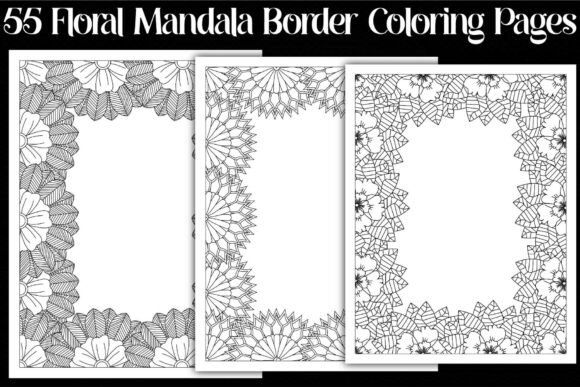
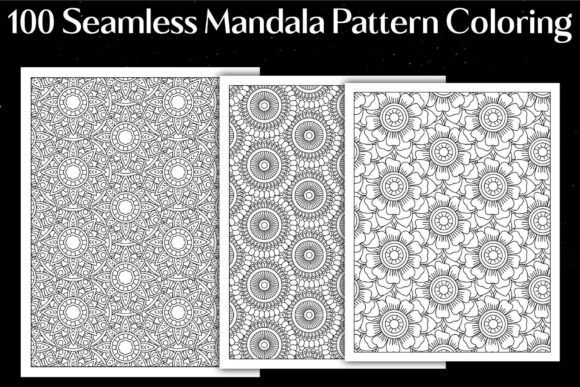
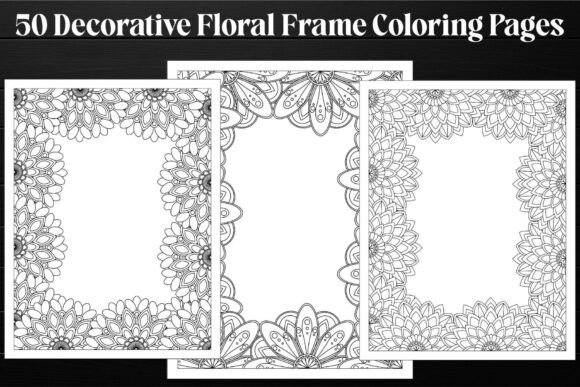
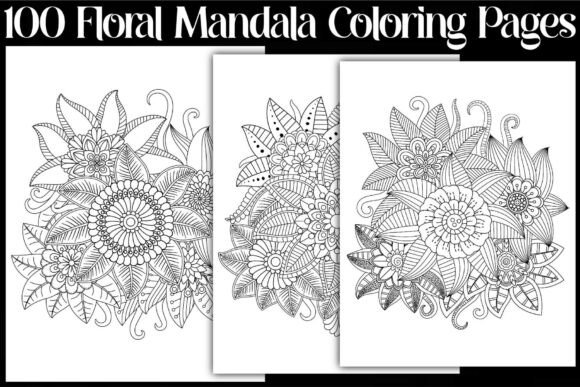
At their core, these designs combine the natural elegance of botanical motifs with the meditative geometry of mandalas. The result is a collection of line art that is intricate without being overwhelming, detailed without feeling cluttered. Whether you are a seasoned artist or someone who has not picked up a colored pencil in years, the clean outlines and balanced compositions invite you to engage at your own pace.
What Makes Floral Mandala Designs So Effective
The appeal of floral mandala coloring pages lies in their structure. A mandala is organized around a central point, with patterns radiating outward. This natural focal point helps the eye move across the page in a rhythmic way, reducing visual fatigue and encouraging sustained attention. When you combine this with floral elements—leaves, petals, vines, and blossoms—you get a design that feels organic yet orderly.
The black-and-white line art used in these pages is intentionally clean and smooth. This is not a happy accident. High-resolution vector artwork ensures that every curve and contour is crisp, so you never have to guess where one shape ends and another begins. For coloring enthusiasts, this clarity is essential. It means you can focus on choosing colors and shading techniques rather than struggling with blurry or uneven lines.
For those who create content or products, this precision also means that the designs scale well. Whether you are printing a single page for personal relaxation or assembling a collection for a KDP interior, the artwork retains its quality. The SVG, EPS, and AI files give you flexibility to resize, crop, or incorporate the designs into other projects without losing detail.
Creative Ways to Use Floral Mandala Coloring Pages
Coloring is the most obvious application, but it is far from the only one. These floral mandala designs can be adapted for a wide range of creative projects, and understanding these possibilities helps you get more value from the collection.
For someone building an adult coloring book, the bundle of 100 designs provides a ready-made interior. You can arrange the pages by complexity, group them by floral theme, or mix botanical mandalas with simpler patterns to create a varied experience. Because the files come in both PDF and PNG formats, you can preview the flow of the book before committing to a layout.
DIY crafters can use the designs as templates for other media. Trace the outlines onto cardstock to create handmade greeting cards. Print the patterns on transfer paper for fabric projects like pillow covers or tote bags. Use the SVG files with a cutting machine to produce stencils for painting or etching on wood and glass. The botanical elements lend themselves especially well to nature-inspired decor, wedding invitations, or journal covers.
Teachers and educators can integrate these pages into classroom activities as well. The mandala structure naturally supports lessons on symmetry, geometry, and pattern recognition. Art instructors can use the floral motifs to teach shading, color theory, and composition. For younger students, the larger, simpler designs work as a calming activity between lessons. The key is to match the complexity of the design to the skill level and attention span of the group.
Digital creators can also use the PNG and JPG files as base layers for digital coloring apps. Import the images into Procreate or Adobe Fresco, add a layer above the line art, and color digitally using brushes that mimic watercolor, marker, or pencil. This approach eliminates the need for physical supplies and makes it easy to experiment with color combinations without committing to paper.
Adapting the Pages for Different Audiences and Platforms
Not every user needs the same thing from a coloring page. A busy professional looking for stress relief at the end of the day has different expectations than a parent planning a weekend craft session with their teenager. Recognizing these differences allows you to tailor your approach, whether you are using the pages for yourself or sharing them with an audience.
For adults seeking relaxation, the most effective designs are those that offer enough detail to engage the mind without causing frustration. Mid-level complexity works well here. You want patterns that take twenty to forty minutes to complete—long enough to produce a sense of immersion, short enough to fit into a lunch break or evening wind-down. Pairing these pages with a simple color palette of five to seven colors keeps the decision-making process light.
Teens and younger artists often prefer bolder contrasts and more vibrant color schemes. The same floral mandala can feel completely different when colored with neon markers versus soft pastel pencils. You can encourage experimentation by printing the same design multiple times and trying different approaches: warm tones one day, cool tones the next, monochromatic the third. This practice builds confidence and helps develop an intuitive sense of color balance.
For entrepreneurs and small business owners, the bundle offers an efficient way to produce multiple products from a single asset. Use the JPG files for printable digital downloads on Etsy. Use the PDFs for print-on-demand coloring books. Use the AI files to modify the designs for branded merchandise. The vector format means you can change the line thickness, remove elements, or combine motifs from different pages to create entirely new compositions.
Practical Tips for Keeping Results Clean and Consistent
Whether you are coloring for yourself or producing designs for others, the quality of the final result depends on a few practical choices. The first is paper selection. For physical coloring, a smooth, heavy paper around 100 to 120 gsm prevents ink from bleeding through and allows markers to glide without catching on fibers. If you are printing for a book, test a few paper types to find one that balances cost with performance.
Line thickness matters as well. The floral mandala pages in this collection are designed with outlines that are thick enough to contain the color but thin enough to retain detail. When you print or export, check that the lines remain visible at the intended size. A design that looks crisp on screen can become muddy if scaled down too much or printed with low ink density.
For digital coloring, resolution is critical. The high-resolution PNG files provide enough pixel density for detailed work on tablets and laptops. Work on a canvas that matches the original dimensions to avoid stretching or distortion. Use layers to separate the line art from the color fills, and save your progress in a format that retains the layer structure, such as PSD or TIFF, so you can revisit and refine later.
If you are creating a collection for sale, consistency in file naming and format helps customers navigate the product. Organize the SVG and EPS files by design number or theme, and include a preview sheet so buyers can see all 100 pages at a glance. Small touches like this build trust and reduce the likelihood of returns or confusion.
Why This Collection Works for Stress Relief and Mindfulness
The connection between coloring and relaxation is not anecdotal. Engaging with a repetitive, structured task lowers cortisol levels and shifts the brain into a state resembling light meditation. Floral mandala coloring pages are particularly effective in this regard because they combine two naturally calming elements: flowers and symmetry.
Flowers carry positive associations for most people—growth, beauty, nature, renewal. The act of coloring a blossom or leaf reinforces these associations on a subconscious level. The symmetry of the mandala, meanwhile, provides a predictable framework that reduces anxiety. You do not have to decide what to draw next. The path is already laid out. Your only job is to follow it with color.
This is why the clean, smooth line art in this bundle matters so much. Jagged or inconsistent lines introduce friction. They interrupt the flow and force you to stop and correct. When the outlines are clear and continuous, you can stay in the rhythm of coloring without disruption. The result is a genuinely immersive experience that leaves you feeling refreshed rather than drained.
For anyone who struggles with traditional meditation—sitting still, clearing the mind, focusing on breath—coloring offers a more accessible entry point. You are still, but your hands are occupied. Your mind is focused, but on something external and gentle. Over time, this practice can build the same mindfulness muscles that more formal techniques require, without the pressure of doing it right.
Incorporating Botanical Mandalas into Larger Projects
Once you have a collection of 100 floral mandala designs, the question becomes how to use them beyond the coloring page itself. One approach is to treat them as modular elements. Combine a small mandala with a larger botanical border to create a framed composition. Use the individual flower motifs from different pages as repeating patterns for scrapbook backgrounds, wrapping paper, or digital wallpapers.
For publishing, you can group the designs by style or theme. A book focused on rose mandalas, another on tropical blooms, another on wildflower patterns. This specialization helps each title find a specific audience instead of competing as a generic coloring book. The bundle includes enough variety to support multiple niche publications from a single source.
Marketers and bloggers can use the pages as lead magnets or bonus content. Offer a free sample of five floral mandala pages in exchange for an email subscription. The high-quality line art reinforces your brand’s attention to detail and provides immediate value to the audience. Pair the download with a short guide on coloring techniques or recommended color palettes to deepen the engagement.
Keeping the Experience Fresh and Original
With 100 designs, it is easy to fall into a routine of coloring the same type of pattern repeatedly. To keep the practice interesting, vary your approach. One week, focus on monochromatic color schemes using different shades of a single hue. The next week, try complementary colors—purple and yellow, blue and orange, red and green. The floral and botanical motifs respond differently to each palette, and you will discover combinations you would not have considered otherwise.
Another strategy is to mix media. Color a page with watercolor pencils for a soft, blended look. Then print the same design on a different paper and use fine-liner pens for a precise, graphic finish. Compare the results and note how the same lines evoke different moods depending on the medium. This exercise sharpens your skills and gives you a better understanding of how your materials interact with the artwork.
If you are creating for an audience, consistency in style helps build recognition. Stick to a defined color palette across multiple pages in a book. Use a similar level of detail in each design so that the reader knows what to expect. At the same time, introduce subtle variations—different flower types, alternating symmetric and asymmetric layouts, occasional negative space—to prevent the collection from feeling monotonous.
The floral mandala coloring pages in this bundle are designed to be a starting point. They provide a reliable foundation that you can build upon, adapt, and personalize. Whether your goal is relaxation, creative exploration, or product creation, the combination of clean vector artwork and thoughtful botanical composition gives you the tools to achieve it without unnecessary complexity.