Assessing Your Planning Toolkit: Inventory, Free Resources, and Choosing What Fits
When you are looking for a way to organize your days, manage projects, or simply keep track of your goals, the sheer number of available planning resources can feel overwhelming. Many people begin by searching for something that works without a large upfront commitment. This is where the concept of an inventory of planning tools becomes useful. Instead of committing to a single system immediately, you can evaluate different formats, layouts, and styles to see what aligns with your actual workflow. A free bundle can serve as a practical starting point for this evaluation, letting you test design quality and usability before deciding whether a more comprehensive set of tools is right for you.
What Makes a Planning Inventory Distinct
A planning inventory is not just a collection of pages. It is a curated set of templates, trackers, and layouts designed to help you capture, organize, and review different aspects of your life or work. What makes a well-designed inventory stand out is the attention to structure and flexibility. Rather than forcing you into a rigid daily log, a thoughtful inventory offers options: weekly spreads, monthly overviews, habit trackers, goal planners, and note pages that can be used in combination. This modular approach allows you to build a system that fits your specific needs, whether you are managing a busy household, running a small business, or studying for an advanced degree.
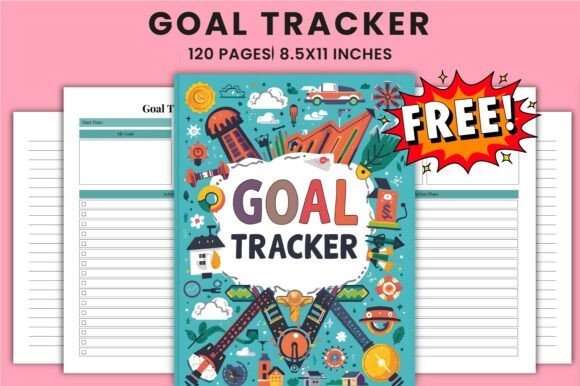
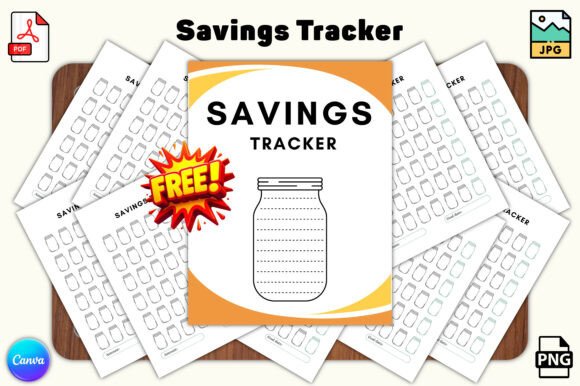
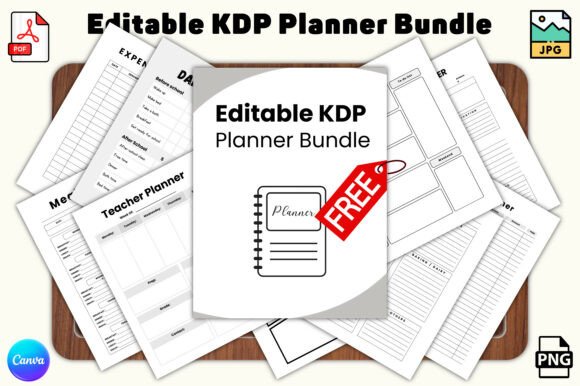
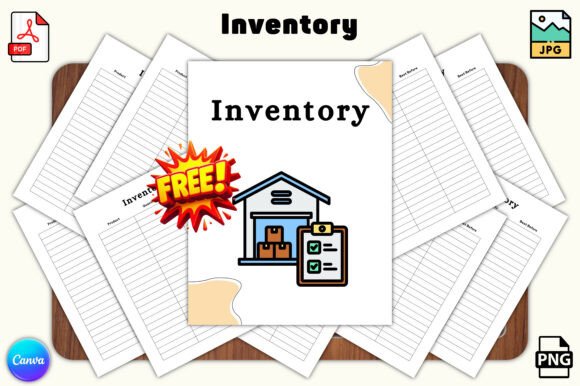
The free bundle mentioned here is an example of this approach. It provides a sample of what a larger collection might offer, giving you a chance to experience the layout choices, paper sizing, and visual design without any financial risk. For many adults in their twenties through fifties, this is a practical way to compare options. You can print a few pages, test them for a week or two, and see if the format supports how you actually think and plan.
Comparing Free Resources with Paid Alternatives
When you evaluate a free planning bundle, you are essentially conducting a small experiment. The free version lets you answer questions like: Does the layout give me enough space for my tasks? Do the trackers motivate me or feel like extra work? Is the design clean enough that I want to use it daily? These are the same questions you would ask about any premium product, but the free sample reduces the risk of making a wrong choice.
Premium collections, such as the Ultimate Planner Bundle mentioned in the promotion, typically offer more depth. They include additional pages, more diverse layouts, and often a greater number of specialized templates. For example, a premium bundle might include separate sections for meal planning, finance tracking, project management, and long-term goal setting, whereas a free bundle might focus on the core weekly and monthly layouts. The tradeoff is clear: a free resource is excellent for testing the waters, while a paid collection is better suited for someone who has already identified that the design and system work for them and wants a more comprehensive toolset.
Another factor is longevity. A free bundle might give you a few months of usable pages, while a premium collection often contains hundreds or even over a thousand pages, covering multiple years or enabling you to print as needed. If you are someone who likes to stick with a consistent system over time, investing in a larger bundle can save you the effort of searching for new templates each season.
Strengths and Tradeoffs to Consider
One strength of starting with a free inventory is the low barrier to entry. You do not need to sign up for a subscription or enter payment details. You simply download, print, and begin. This is especially helpful if you are exploring planning as a new habit or if you have tried other systems that did not stick. The free sample lets you test whether a structured inventory approach fits your natural rhythm before you invest time or money.
However, free resources also have limitations. They may not include the full range of layouts you eventually discover you need. For instance, if you realize after two weeks that you need a dedicated section for monthly reflections or a habit tracker with more granularity, the free bundle may not have those pages. You then face the choice of either adapting what you have or seeking a more complete collection. This is not necessarily a drawback, but it is a factor to weigh. For some users, the simplicity of a smaller set of pages is actually a benefit, as it prevents overwhelm. For others, the lack of variety becomes a constraint.
Another tradeoff is design quality. Free resources often showcase the same design standards as premium ones, because they are intended to demonstrate quality. In this case, the free bundle is explicitly offered so you can evaluate the design. This is a useful signal: if the free pages feel well-crafted, the premium collection is likely to meet or exceed that standard. If the free pages do not resonate with you, you have saved yourself from purchasing something that would not suit your taste.
When a Free Bundle Is the Right Choice
A free planning inventory is ideal when you are in an exploratory phase. Perhaps you have never used a printed planner before, or you are transitioning from a digital tool to a paper-based system. Starting with a free sample allows you to experiment without pressure. It is also a good fit if your planning needs are relatively straightforward. For example, if you mainly need a weekly calendar and a simple to-do list, a free bundle that covers those basics may be all you need for months.
Similarly, if you are someone who likes to rotate between different planning styles depending on the season or your current workload, having a free bundle as one option in your rotation can be useful. You can use it alongside other tools without feeling that you must abandon everything else. The flexibility of a free resource means you can pick it up and put it down as your needs shift.
For those who are budget-conscious, a free bundle offers tangible value. You get professional-grade design and structure without spending money. This is especially relevant for students, early-career professionals, or anyone managing household expenses carefully. The free option does not feel like a compromise if it genuinely meets your core needs.
When You May Need a More Comprehensive Collection
If you find yourself consistently wanting more pages, additional layouts, or specialized sections that are not included in the free bundle, that is a clear sign that a premium collection could better serve you. Many users start with a free sample and, within a few weeks, realize they want dedicated areas for health tracking, financial planning, project timelines, or long-term goal breakdowns. A premium bundle typically offers these in a cohesive design, so you do not have to mix and match templates from different sources.
Another scenario is when you want consistency across multiple areas of your life. If you are planning not only your weekly tasks but also your fitness routine, meal prep, budget, and personal development, a comprehensive collection saves you from juggling several different systems. The unified design also makes it easier to review your progress at a glance, because all the pages follow a similar visual language.
Finally, if you value having a large volume of pages ready to print at any time, a premium bundle is more practical. Instead of searching for new resources every few months, you have a library of over a thousand pages that you can draw from as needed. This is especially useful for teachers, small business owners, or parents who manage multiple schedules simultaneously.
How to Make Your Decision
Start by downloading the free bundle and using it for at least one or two weeks. Pay attention to which pages you use most and which you skip. Ask yourself whether the layouts support your natural workflow or whether you find yourself adapting them heavily. Also consider how the design makes you feel. If the clean, structured look motivates you to keep using the system, that is a strong indicator that a premium collection with the same design language would be a good investment.
If you find that the free bundle covers enough of your needs, you may not need to upgrade at all. Many adults find that a well-designed free resource is sufficient for maintaining a consistent planning habit. On the other hand, if you discover gaps or want more variety, the premium collection is a logical next step.
It is also worth considering how your planning needs might change in the coming months. If you anticipate taking on a new project, starting a side business, or adding more structure to your daily routine, having a more comprehensive inventory ready can help you transition smoothly rather than scrambling to find new tools later.
Practical Next Steps
If you are ready to evaluate the design quality for yourself, the free bundle is available for download. Use it as a low-risk way to test whether this style of planning fits your life. If you find that you want more pages, more layouts, and premium designs, the complete Ultimate Planner Bundle with its 10 planners and over 1200 pages is worth exploring. You can also follow the store to stay updated on new design releases, which is a useful way to discover future resources that might match your evolving needs.
- Download this FREE Bundle now to start evaluating the design and layout quality firsthand.
- Visit the Premium Planner Collection if you are ready for a more comprehensive set of planning tools with additional pages and layouts.
- Follow the store to receive updates on new designs and future releases that may better suit your changing needs.
Whether you choose the free bundle, invest in the full collection, or decide to combine both, the goal is the same: finding a planning system that supports your day-to-day priorities and long-term aspirations without adding unnecessary complexity. Starting with a sample is a sensible, low-commitment way to see if a particular approach is right for you.